Inheritance Tax Planning Solicitors
The best thing you can do for your loved ones’ future is to take care of your finances. With expert help from our Inheritance Tax Planning solicitors, you can ensure they get as much as possible, without having to pay unnecessary fees.
Our wills, trust and probate teams will listen to you and take note of your circumstances. We’ll then give you unbiased advice to make your money go further when the time comes. Simply get in touch today to get started.
What is Inheritance Tax?
Inheritance Tax (IHT) is a tax paid on the value of all assets you own after your death. These assets include everything in your estate, such as any property or possessions you own, and money across trusts and bank accounts. The total value of this is calculated and will then be paid to the HMRC, following any allowances and tax relief.
How is Inheritance Tax paid?
Inheritance Tax is paid by the executor of your will (the person in charge of distributing assets) directly to the HMRC. Generally, beneficiaries (people named in the will) won’t have to pay anything unless they make income from what they receive – for example, rental payments on properties.
For those who die intestate (without a will), an administrator will calculate the value of their estate and ensure the right tax amount is paid. We’d always advise writing a will to make sure your loved ones are taken care of after your death.
What is the current rate of Inheritance Tax?
Up until 2030, the rate of IHT is 40%. This applies to anything over the threshold of £325,000. People whose estate is valued at less than £325,000 will be in the ‘nil rate band’, which means no tax will be paid.
This tax is taken off anything over £325,000. So, for example, if your estate is worth £400,000, then you would subtract £325,000 and be taxed 40% on the remaining £75,000. This means your total IHT would be £30,000.
There are many ways you can reduce this, from charity donations to gifting. Our experienced IHT solicitors can help you arrange your finances to make sure your loved ones get as much of their inheritance as possible.
Who might need help with Inheritance Tax planning?
We would strongly advise that you have a will in place, guided by a legal expert. This will help to avoid any disputes when the time comes. Although you won’t have to pay any IHT if your estate is valued at less than £325,000, there are many cases when you might need an Inheritance Tax specialist:
-
- If you’re cohabiting or share a property with somebody other than a spouse/civil partner
- If you have divorced or recently remarried (including civil partnerships)
- If you have children under the age of 18 or from different relationships
- If your children have additional needs that must be provided for
- If you have a business, agricultural assets, or assets overseas.
How to beat the Inheritance Tax trap
With appropriate planning, the Inheritance Tax ‘trap’ can be avoided or minimised. You may wish to distribute your assets strategically over your lifetime, such as in trusts and gifts, or donate to charities. We’ll advise you on the best course of action depending on your circumstances.
Normal expenditure
If you have excess income each year and can afford to give gifts, then this can be exempt from IHT. This is known as ‘normal expenditure out of income’ and could be used to fund family members long-term, such as life policy premiums or regular pension contributions.
Partners and children
You will not have to pay Inheritance Tax on anything over the allowance if you leave everything to your spouse or civil partner. This also applies to charities and amateur sports clubs.
If you’re giving your home to children, foster children, adopted children or grandchildren, then the threshold (nil rate band) will rise to £500,000. Remember that if they make income off these properties, then it will be taxed.
Should your total estate be less than £325,000, then any difference can be added to a spouse or civil partner’s nil rate band. For example, if your estate was worth £300,000, then your partner can increase their threshold by the remaining £25,000 to £350,000.
You may still have to declare the value of your estate, even if it’s below the threshold.
Trusts and gifts
If you leave more than 10% of your estate to charity, then the overall IHT will be reduced to 36%. You are also allowed to give away £3,000 per year in gifts, known as an annual exemption.
It may be more cost-effective to set up a trust over your lifetime. When gifting to your children, the value of these trusts will not count towards Inheritance Tax, as long as you survive another seven years from the date you gifted them.
Your children may have to pay Inheritance Tax if you gift them more than £325,000 and do not live for another seven years. Alternatively, setting up discretionary trusts, wherein you can gift them up to £325,000 in increments, may help to avoid IHT. This is ideal for those with large estates – you can set these up every seven years and will not have to pay IHT if you live for this long.
Trusts are ideal if you don’t want to gift funds straight away. For example, if the recipient is on means-tested benefits or vulnerable, they may prefer to have a trust managed by someone else. We can advise you on the best legal approach to this.
Can a solicitor help with Inheritance Tax?
A skilled wills, trusts and probate solicitor can help you with your Inheritance Tax planning. Our experienced probate lawyers can help you with a range of legal advice, including:
- Wills, trusts and probate
- Lasting powers of attorney
- Gifting to partners or children
- Setting up a trust
What will happen at our Inheritance Tax planning meeting?
During our IHT meeting, we’ll ask to review your will and look at the total value of your estate as it stands. We can also help you draft a will if you’ve not already done so.
You’ll find out if you’re liable to pay any tax, and what methods you can use to reduce this or even bring it down to zero. We’ll also help you with any unique circumstances, such as getting tax relief if your estate contains a farm or woodland.
Why choose Vincents’ Inheritance Tax planning solicitors?
With more than 100 years’ combined experience, our Inheritance Tax planning solicitors are here to help you get the best value from your estate. We can help you not only with the financial planning, but the preliminary phases of writing your will and ensuring your needs are met.
We’re fully accredited family law practitioners and are regulated by the SRA for your peace of mind. We understand how stressful financial planning can be, so we’ll give it to you in clear terms and ensure your family is looked after.
Get in touch today for a consultation. Gaining business, property or agricultural relief.
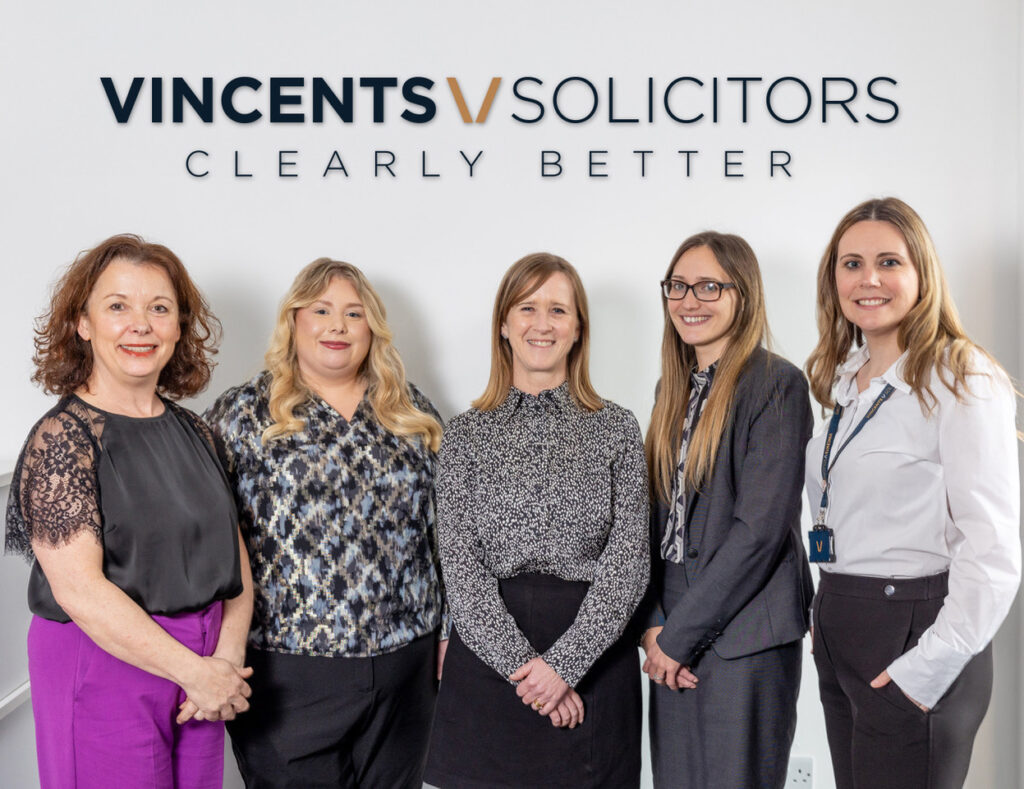
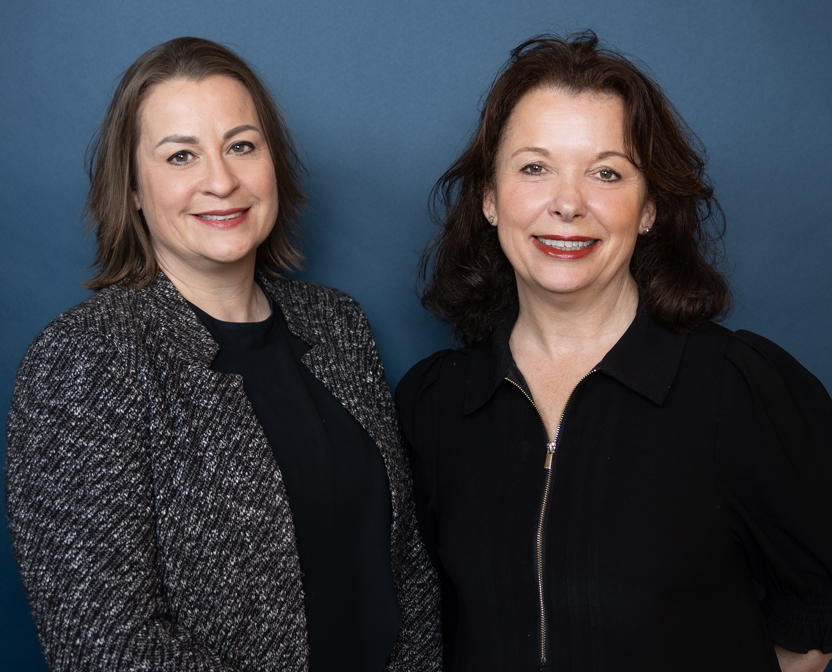
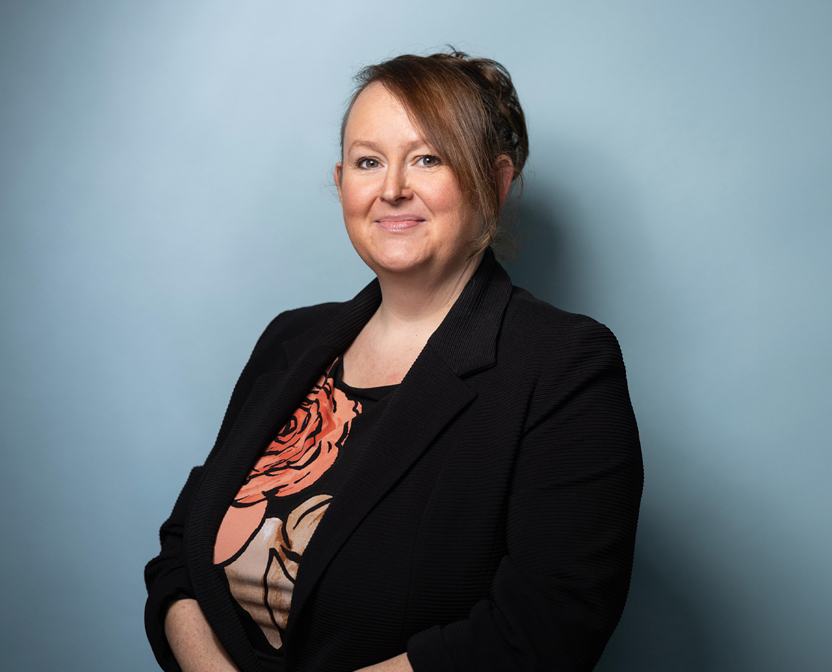
Meet our team of experts
FAQs
How much does Inheritance Tax planning cost?
Our fees will vary depending on how complex your case is and who is assigned to it. These start from £250+VAT per hour. We will always be transparent about costs and keep you informed throughout the Inheritance Tax Planning process.
Does Inheritance Tax affect gifts?
Inheritance Tax affects gifts in many ways. Generally, you can give away £3,000 each year without paying IHT. You can set up a trust to distribute gifts up to the value of £325,000 every seven years, which will not be taxed providing you live for those seven years. These are known as Potentially Exempt Transfers (PET).
Gifts to financial dependants are usually exempt from IHT, as well as wedding gifts. You can also reduce your IHT threshold to 36% if more than 10% of your estate is left to a charity.
Can I transfer my tax-free allowance to a partner?
You can transfer your allowance to a spouse or civil partner. They can receive up to 100% of your allowance, meaning theirs could be £650,000. In some cases, the Residential Nil Rate Band can be as high as £1,000,000, depending on your children and other circumstances. We will advise you based on your individual case.
Will Inheritance Tax planning affect my business?
You can factor in any business assets to your Inheritance Tax planning. If your estate includes a business or business assets, you may be able to get Business Property Relief. This means there will be no IHT on your businesses, business interests, or shares in unlisted companies.
Other forms of relief include Agricultural Property Relief (APR), if you are a farmer or landowner. A trust may be more cost-effective if you’re eligible for both, so we will advise you on the best thing to do.
Do I have to pay UK Inheritance Tax if I’m not a UK citizen?
You will still have to pay UK Inheritance Tax if the HMRC considers your ‘domicile’ to be in the UK. This means your permanent home, and can affect those who’ve lived in the UK for many years. We can advise you on the complex tax allowances for non-UK citizens.
Does Inheritance Tax apply to foreign assets?
Inheritance Tax will apply to foreign assets if your permanent home is in England or Wales. They will only be excluded if you are considered a ‘non-dom’, that is, somebody who does not live in the UK.
Frequently asked questions
Wills, Trusts and Probate Clients
Clear Advice Feels Better
After reviewing one of our Court of Protection clients welfare benefit payments we have secured a back dated payment of £22,000 from Aug 2021, monthly income from £0 – £1,502. Together with a previously secured ESA payment of £16,901.30 our client has received a total of £39.216.30 which he did not realise he was entitled to without the support of his Deputy Oliver Banks and his amazing team.

Commended for their expertise
I initially spoke to Mary in Garstang Office to enquire about setting up a Power of Attorney, Mary was polite and explained in detail what was required.
I next spoke to Lisa who gathered all of the personal information required to draw up the POA and this was followed up by a home visit from Mary for my part to be signed. This was very much appreciated as a disabled, elderly person.
These two young ladies are to be commended for their expertise and the respect shown to me.

Perfect Experience
Our experience was just perfect. A good listener, knows her products well, willing to advise, confident yet modest. An asset to the team.