Skip to content

Clear Advice Feels Better

Writing Your Will

Request a Callback Vincents Solicitors
DD slash MM slash YYYY

Please press submit to tell us that you’re happy for us to contact you. We will only use the information you give us to contact you.
Home > Wills, Trusts and Probate > Writing Your Will
Wills, Trusts and Probate

Writing Your Will

We all know that we should write a will, but many of us keep putting it off. Thinking about death is uncomfortable, and there’s always “tomorrow.” But when you die without a will, the law (not you) decides who gets what you own. Your wishes won’t factor into it.

This means your unmarried partner and others you wanted to provide for may get nothing. And your estate could be tied up in complications your family must then sort out.

A will is the only way to control what happens to your money, your home, your possessions, and most importantly, your loved ones. At Vincents Solicitors, we help families with wills that are properly executed and work for their unique circumstances.

What Is A Will?

A will is a legal document that says what happens to your “estate” (everything you own) when you pass away. It names the people who’ll inherit your assets, such as your bank accounts, car(s), and home(s). Your will also appoints an executor to handle your affairs, lets you specify guardians for any children under 18, and allows you to express funeral wishes.

Under the Wills Act 1837, your will must meet specific requirements to be valid:

    • You need to be 18 or over
    • The will must be in writing
    • You must have the mental capacity to understand the will
    • The will must be signed by you and two independent witnesses (not beneficiaries)

Unfortunately, getting any of this wrong means your will could be invalid, leaving everything to be distributed under intestacy rules instead.

What Happens When You Die Without a Will in England and Wales

Dying without a valid will is called “intestate,” which means the law decides who gets what. The Administration of Estates Act 1925 and the Inheritance and Trustees’ Powers Act 2014) lay out exactly who inherits.

Here’s how intestacy rules work in practice in England and Wales:

    • If you’re married or in a civil partnership with children, your spouse gets all your personal possessions, the first £322,000 of your estate plus half of anything over that amount. Your children split the other half equally. If one of your children has died but left their own children, those grandchildren inherit their parent’s share.
    • If you’re married with no children, your spouse inherits everything.
    • If you’re unmarried with children, your children inherit everything, split equally between them.
    • If you have no spouse or children, your estate goes to your parents. If they are no longer alive, it goes to your siblings, then half-siblings, and then grandparents, aunts and uncles, and so on, down a list of increasingly distant relatives.

If you have no living relatives at all, your entire estate will go to the Crown, meaning the government gets everything.

The Problems with Intestacy Rules (Dying Without a Will)

The intestacy rules can create significant problems for families. Unmarried partners may inherit nothing, no matter how long you’ve been together or how intertwined your lives are. Stepchildren you may have raised for years also get nothing, unless you legally adopted them. And your children might inherit when they’re 18, potentially receiving large sums before they’re mature enough to handle them wisely.

Consider also that without a will, you can’t name guardians for your children. So if you die while they’re still minors, the courts will decide who raises them. That might mean family members you wouldn’t have chosen, or they may even be put into care if there are no obvious guardians.

The other major issue is inheritance tax . Intestacy rules don’t help you minimize what your estate pays in tax. You can’t leave money to charities (which is tax-free) or set up trusts to protect assets. And you miss opportunities to use spousal inheritance tax allowances properly. In other words, without a will and proper planning, your beneficiaries could end up paying thousands more in taxes than necessary.

Intestacy rules can leave families in extremely difficult positions, which is why getting a will in place sooner rather than later is vital.

Why the Time to Make a Will is Now

You’re probably thinking you’ll definitely make a will, but you’ll sort it out later. Unfortunately, accidents or sudden illnesses don’t wait until you’re ready, and unforeseen events can occur at any time.

In 2024, almost 600,000 people died in the UK, many of them likely didn’t have a valid will. This means they left their families to navigate intestacy rules during one of the most difficult times of their lives. You can spare your family this burden.

If you’re a parent, having a valid will matters even more. Appointing guardians in your will is the only way to have any say in who raises your children if something happens to you. Without it, others, such as social services and the courts, will make that decision.

What Should You Include in Your Will?

A properly drafted will needs to cover several essential elements that serve specific purposes in ensuring your wishes are carried out and your family is protected. Here’s what should be in your will:

    • Executors. Executors are the people who’ll handle your estate. They’ll apply for probate, pay debts and taxes, and distribute assets according to your wishes. You can appoint up to four executors, but make sure you choose people you trust who are capable of handling paperwork.
    • Beneficiaries. Beneficiaries are those you want to inherit, such as your close family members. You can leave specific items to specific people or divide your estate into percentages. Being specific about who gets what helps to avoid disputes later.
    • Guardians for Minor Children. Name the person who should look after your children if you die before they’re adults. Make sure your potential guardians are willing and able to take on this responsibility before putting them in your will. Remember, without a valid will, the family court decides who takes responsibility.
    • Funeral Wishes. You can express preferences about your funeral in your will, such as burial or cremation, and organ donation. These wishes aren’t legally binding, but they help guide your family.
    • Trusts for Children. If you’re leaving money to young children, you can specify that it’s held in trust until they reach a certain age (often 18 or 25) rather than giving it to them immediately.
    • You should also consider who you don’t want to inherit. If you’re estranged from family members who would normally inherit under intestacy, writing a will ensures they don’t receive anything. But be aware that spouses and children can contest your will under the Inheritance Act 1975 if they think you left them too little.

Legal Requirements for a Valid Will

Getting the formalities right really matters when it comes to wills. A will that doesn’t meet legal requirements is practically worthless. Remember, to have a legally valid will, you must have mental capacity, the will must be in writing and signed by you, and two independent witnesses must watch you sign and then sign themselves in your presence.
Crucially, your witnesses can’t be beneficiaries or married to beneficiaries. If someone witnesses your will and they’re supposed to inherit under it, they’ll lose their inheritance. While the will is still valid, the gift to that witness is automatically cancelled.

Do You Need a Solicitor to Write a Will in England and Wales?

You can write your own will. DIY will kits exist, and online services will generate a basic will for you. The problem is that even a small mistake can cause major (and expensive) problems. Homemade wills can be invalidated due to witness issues, ambiguous wording that leads to disputes, or missing clauses that create tax issues.

A solicitor ensures your will is legally sound, covers all the bases, and minimizes inheritance tax where possible. At Vincents, we can also store the original will for you and provide you with certified copies for who you wish to give them to.

When to Update Your Will

It’s always a good idea to review your will after some time, or if you’ve had a change in life circumstances, such as getting married, divorced, or having children. It is often overlooked but certain events such as marriage automatically revokes a previous will unless it was made “in contemplation of marriage” (meaning you wrote the will because you were planning to marry a specific person and stated that in the will).

Consider updating your will also if you experience major changes in your assets. Here at Vincents we generally advise that as a rule of thumb, review your will every five years and after any major life or financial change.

Making Your Will with Vincents

Writing your will doesn’t have to be complicated or stressful. And while we know this isn’t an easy conversation to have, it’s one of the most important and loving actions you can take to protect your loved ones. 

At Vincents Solicitors, we know that clear advice always feels better. Our legal team has helped families draft wills for many years, and we pride ourselves on explaining everything in plain English, without confusing legal jargon. We’ll sit down with you, assess your situation and what matters most to you, and then create a will that protects the people you care about.

Whether you’d prefer to meet us face-to-face at one of our Lancashire offices or work with us remotely, we’re here to make the will-writing process as simple as possible.

Contact us today to get started with your will and estate planning.

Meet our team of experts

Wills, Trusts, Probate

Justine Church

Call today 01772 555 176 Email webenquiries@vslaw.co.uk

Justine joined Vincents Penwortham office in August 2024 as a Private Client Solicitor, specialising in all areas of Wills, Probate, Powers of Attorney and Estate Planning .

Read more

Court of Protection

Nicola Hayes

Call today 01772 555 176 Email nicolahayes@vslaw.co.uk

Nicola qualified as a Solicitor in 2002, after gaining experience in Family, Probate and Personal Injury Law.  She then went on to practice Defendant Personal Injury, defending fraudulent and suspected fraudulent insurance claims.

Read Nicola’s full bio here

Wills, Trusts and Probate

Sarah McCarthy

Call today 01253 773377 Email sarahmccarthy@vslaw.co.uk

Sarah is a Senior Solicitor and specialises in Family and Divorce as well as Wills, Trusts and Probate, enabling her to offer comprehensive advice to her clients. She is based at Vincents Lytham Park Street office. Read more

Wills, Probate and Trusts

Lisa Lodge

Call today 01772 34 89 09 Email lisalodge@vslaw.co.uk

Lisa Lodge is Director of Private Client Services at Vincents Solicitors and she also runs our Garstang office. Lisa is a member of Vincents Management Board.

With over 20 years of experience, Lisa deals with Estate planning and Wills.

Read Lisa’s full biography here.

Wills, Trusts and Probate

Chris Mathews

Call today 01772 34 89 17 Email chrismathews@vslaw.co.uk

An established Probate Practitioner based at Mary E Lowe at Vincents Solicitors in Lytham, Chris has worked in the Preston and Fylde area as a Solicitor since 1980. Throughout this time, he has assisted many clients with the preparation of Wills, Lasting Powers of Attorney and Estate Administration.

Read Chris’ full biog here.


Wills, Trusts and Probate

Joanne Vickers

Call today 01772 280323 Email joannevickers@vslaw.co.uk

Joanne Vickers is a Paralegal in the Private Client department at Vincents Lytham office. She has 25 years of experience working in Private Client services, taking on her Paralegal role in 2013.

Joanne helps her clients with preparation of Wills, Lasting Powers of Attorney and Probate matters. She also deals with attorneyship matters.

Read Joanne’s full bio here.

Wills, Probate and Trusts

David Hinchliffe

Call today 01253 77 33 77 Email davidhinchliffe@vslaw.co.uk

David is a Senior Solicitor at Vincents Lytham office. David has 37 years of experience helping his clients with their Wills, Lasting Powers of Attorney, Trusts and Probate. Additionally, he also provides his clients with residential property services.

Read David’s full biography here.

Wills, Trusts and Probate

Patricia Prescott

Call today 01772 34 89 22 Email patriciaprescott@vslaw.co.uk

Patricia joined Vincents Solicitors in 2022 as a Senior Solicitor in the Trusts & Estates department. She is based in Lytham and deals with all aspects of private client matters including Wills, Probate, Inheritance Tax, Estate Planning, Trusts, Lasting Powers of Attorney, Court of Protection and Elderly Client Issues.

Read Patricia’s full bio here.

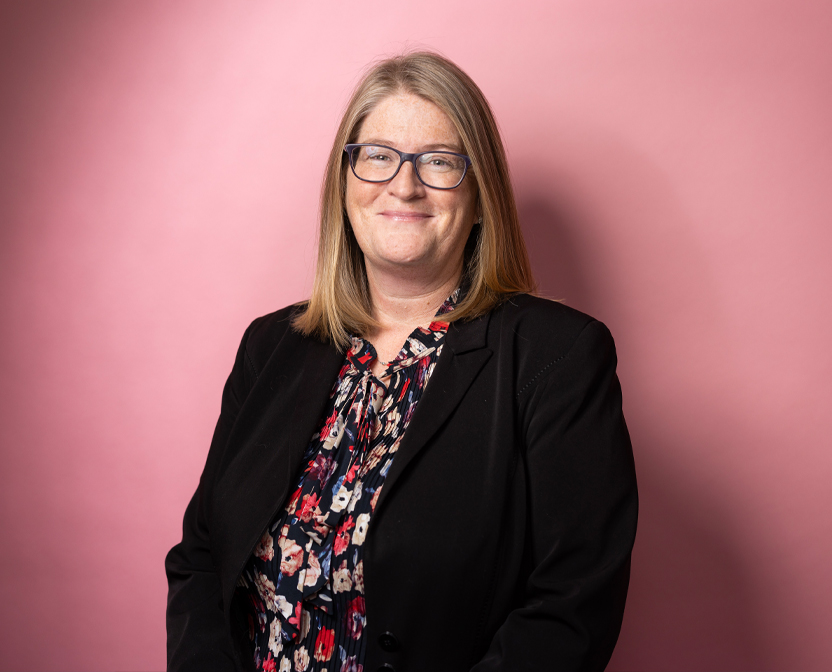
Wills, Trusts, Probate Justine Church
Nicola Hayes, Vincents Solicitors
Court of Protection Nicola Hayes
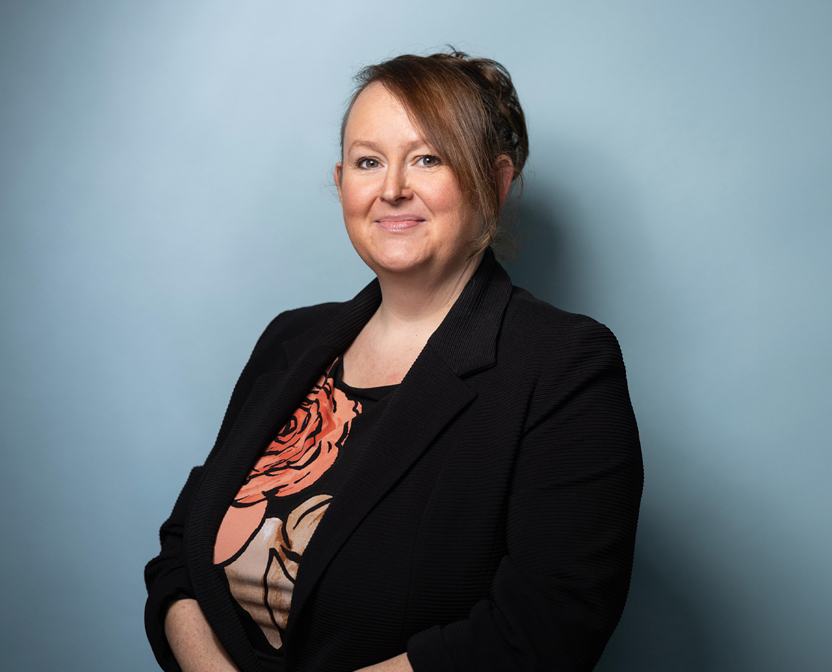
Sarah McCarthy, Wills, Trusts and Probate
Wills, Trusts and Probate Sarah McCarthy
Lisa Lodge, Vincents Solicitors
Wills, Probate and Trusts Lisa Lodge
Chris Mathews, Vincents Solicitors
Wills, Trusts and Probate Chris Mathews
Joanne Vickers, Vincents Solicitors
Wills, Trusts and Probate Joanne Vickers
David Hinchliffe, Vincents Solicitors
Wills, Probate and Trusts David Hinchliffe
Patricia Prescott, Vincents Solicitors
Wills, Trusts and Probate Patricia Prescott
Frequently Asked Questions

Common questions about writing a will

You need to speak to a firm who has experts in dealing with whatever particular problem that you have whether that be Divorce, Writing your will, Conveyancing or something more specialist like Medical Negligence Misdiagnosis Claims or Trade Marks and Patents. At Vincents we have specialists across 7 locations who are approachable, knowledgeable and speak in plain english. Try and call us today and find out if we are the right fit for you.

Wills, Trusts and Probate

Testimonials

Welfare Benefit Review Success

Clear Advice Feels Better

After reviewing one of our Court of Protection clients welfare benefit payments we have secured a back dated payment of £22,000 from Aug 2021, monthly income from £0 – £1,502.  Together with a previously secured ESA payment of £16,901.30 our client has  received a total of £39.216.30 which he did not realise he was entitled to without the support of his Deputy Oliver Banks and his amazing team.

Vincents Solicitors
Review provided by Abigail Cuffe, Garstang office Private Client
Private Client testimonial

Commended for their expertise

I initially spoke to Mary in Garstang Office to enquire about setting up a Power of Attorney, Mary was polite and explained in detail what was required.

I next spoke to Lisa who gathered all of the personal information required to draw up the POA and this was followed up by a home visit from Mary for my part to be signed.  This was very much appreciated as a disabled, elderly person.


These two young ladies are to be commended for their expertise and the respect shown to me.

 

Vincents Solicitors
M T Gregor, Garstang Garstang office Private Client
Client Testimonial

Perfect Experience

Our experience was just perfect.  A good listener, knows her products well, willing to advise, confident yet modest.  An asset to the team.

 

R & K Wilson, Garstang Garstang office Private Client

Stay in the loop

Latest Industry news and insights

Lytham News Preston Private Client residential conveyancing Uncategorised
Firefighter Connor Ward receives a certificate of gratitude from Area Manager Rossen
Court of Protection Garstang Private Client
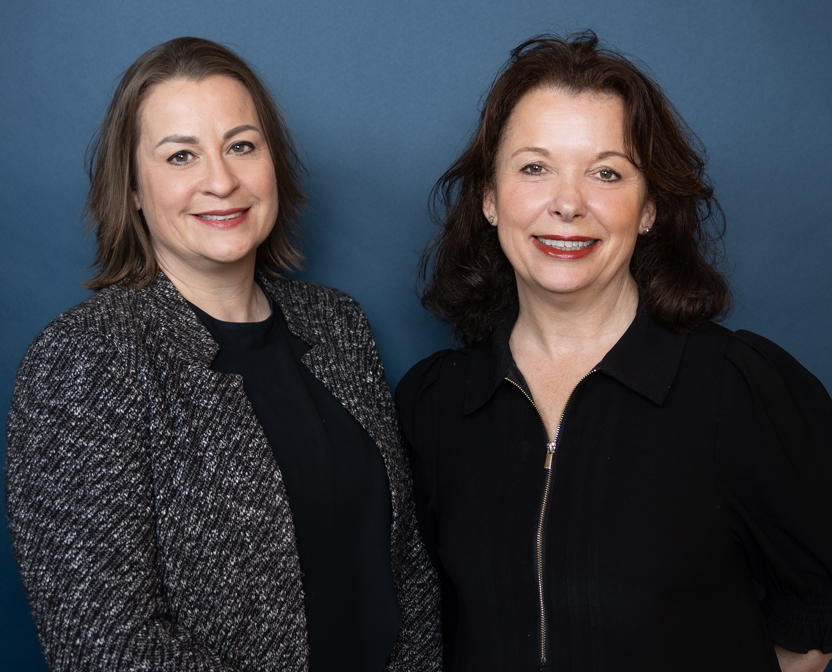
Nicola Hayes and Lisa Lodge, Vincents Solicitors
Commercial Property Company and Commercial News Poulton Private Client residential conveyancing
Article thumbnail
Garstang Insights News Private Client
Abigail Cuffe and Oliver Banks, Vincents Solicitors
Insights Lytham Private Client
Patricia Prescott, Vincents Solicitors
Chorley Garstang Insights Lytham Penwortham Poulton Private Client
Lisa Lodge, Director, Private Client Services
Garstang Insights Lytham Private Client
Patricia Prescott, Vincents Solicitors